
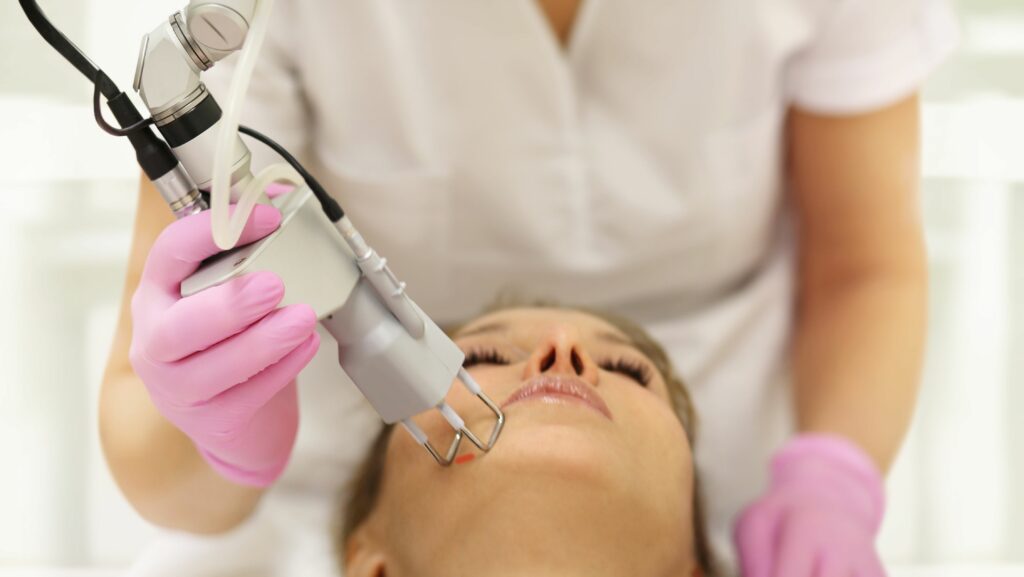
Melasma can feel confusing, even discouraging, because it rarely behaves the same way from one person to another. Some people notice soft brown patches that sit close to the surface of the skin, while others develop deeper, more stubborn discoloration that seems resistant to most creams or basic treatments. Over time, this unpredictability often leads to questions about whether technology based treatments, particularly lasers, can really be tailored to something as variable as pigment depth.
In aesthetic clinics, these conversations tend to unfold slowly. Patients may arrive with a general idea of laser care but are unsure how energy settings are chosen, or why one person responds better than another. Understanding how laser energy is adjusted based on melasma depth can help set more realistic expectations and reduce the sense that treatment outcomes are random or purely luck based.
Why Melasma Depth Matters in Laser Care
During consultations, the topic of melasma laser treatment Singapore often comes up naturally in the middle of a discussion about pigment depth rather than as a standalone solution. This is because melasma does not sit in just one layer of the skin. In some cases, pigment is concentrated in the epidermis, which is the uppermost layer. In others, it extends into the dermis, or exists in a mixed pattern that involves both layers.
Laser energy must be adjusted carefully depending on where that pigment is located. Superficial pigment generally responds to different wavelengths and lower energy levels compared to deeper pigment. If the energy is too shallow, deeper pigment may not respond at all. Unfortunately, if the energy is too aggressive, the skin may become irritated, which can trigger further pigmentation instead of improvement.
This balancing act is one reason melasma is considered a condition that benefits from precision rather than force.
How Clinicians Assess Melasma Depth
Before any laser settings are chosen, an assessment is usually performed. This may involve visual examination under specific lighting or the use of diagnostic tools that help reveal pigment distribution beneath the surface. In practice, this step can feel repetitive, but it is essential for guiding treatment decisions.
Skin tone, sensitivity, and previous reactions to treatments are also taken into account. Two people with similar looking patches may actually have very different pigment depth. Therefore, energy selection is rarely based on appearance alone. Instead, it is adjusted using both clinical observation and patient history, which helps reduce guesswork.
Adjusting Laser Energy for Surface-Level Pigment
When melasma is mostly epidermal, lower energy settings are often preferred. These settings aim to target pigment without creating excessive heat or inflammation. The idea is to gradually break down pigment while allowing the skin to recover comfortably between sessions.
In many cases, improvement may appear sooner with surface pigment, although results can still be uneven. Some areas may fade faster than others, which can feel frustrating. This does not necessarily mean the treatment is failing, but rather that pigment distribution is not uniform across the face.
Sessions are often spaced out deliberately. Giving the skin time to settle reduces the risk of rebound pigmentation, which is a known concern in melasma care.
Treating Deeper Pigment with Caution
Dermal melasma requires a different approach. Deeper pigment does not respond well to superficial energy, but increasing energy levels introduces additional risks. Therefore, laser settings are often adjusted to reach deeper layers while still staying within a conservative range.
This is where patience becomes important. Improvement with deeper melasma tends to be slower and less predictable. In practice, clinicians may combine lower energy laser sessions with topical care rather than relying on high intensity treatments. This layered approach aims to support gradual lightening while protecting the skin barrier.
Unfortunately, deeper pigment also has a higher chance of recurrence, even after visible improvement. For some people, this can feel discouraging, but it reflects the nature of the condition rather than a failure of the treatment.
Why Mixed Melasma Requires a Flexible Strategy
Mixed melasma presents additional challenges because pigment exists at multiple depths. Laser energy may need to be adjusted within the same treatment course, sometimes even between sessions. What works initially may need modification later, depending on how the skin responds.
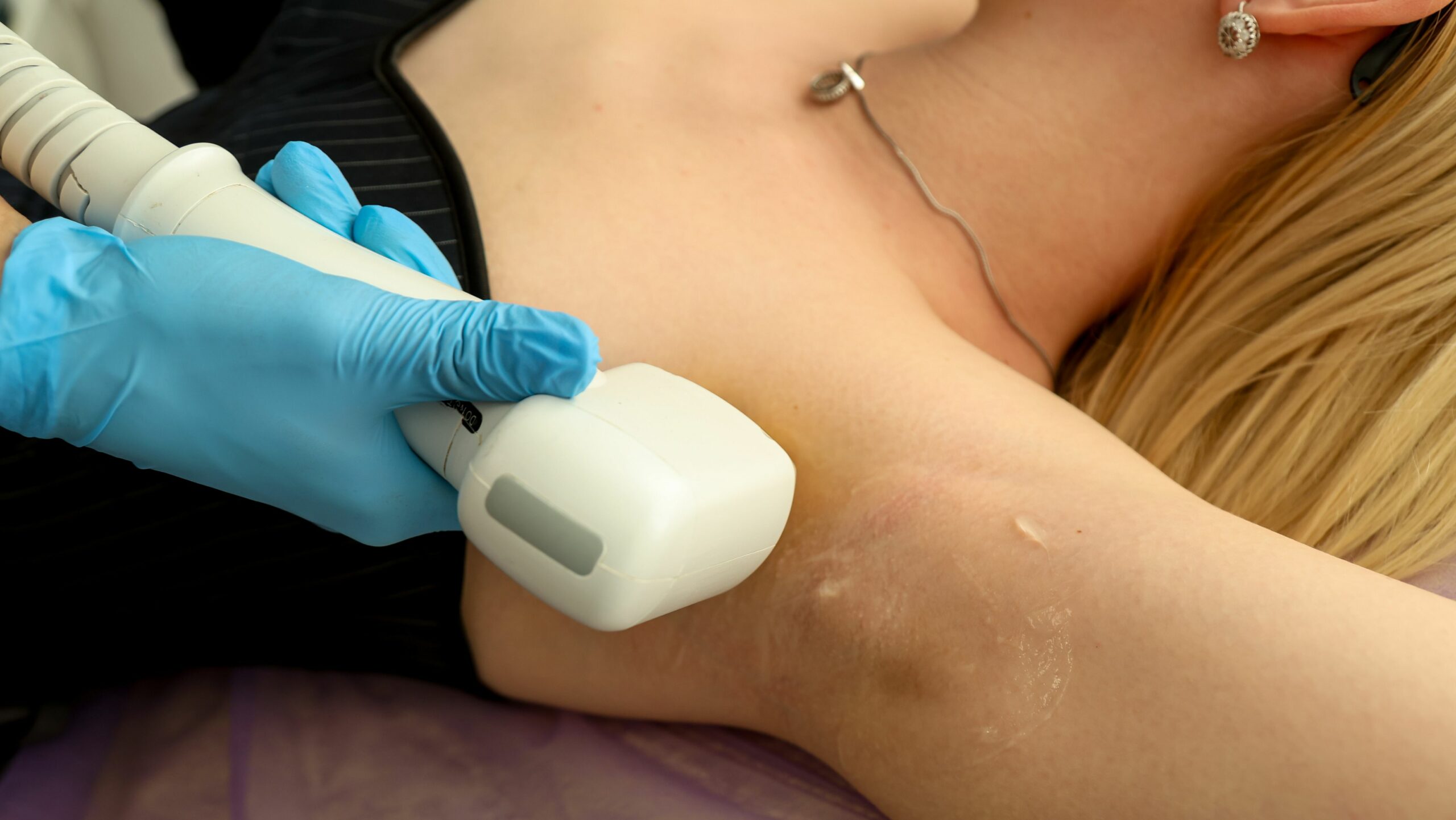
In these situations, treatment plans often evolve over time. Early sessions may focus on calming the skin and addressing superficial pigment, while later sessions gently target deeper areas. This flexible strategy helps minimize irritation and allows the skin to adapt gradually.
In addition, non-laser support such as topical agents and sun protection often becomes even more important when dealing with mixed depth pigmentation.
The Role of Skin Response and Healing
Laser energy does not work in isolation. The skin’s healing response plays a major role in outcomes. Inflammation, even mild, can stimulate pigment cells, which is why conservative energy settings are commonly favored.
Healing speed also varies. Some individuals recover quickly with minimal redness, while others experience prolonged sensitivity. These differences influence how energy is adjusted in future sessions. In practice, treatments are rarely identical from one visit to the next.
This ongoing adjustment process can feel slow, but it is often necessary for safer, more sustainable results.
When to Seek Professional Help
- Pigmentation darkens or spreads despite careful sun protection
- Previous laser treatments caused irritation or worsening patches
- Melasma returns quickly after initial improvement
- Skin becomes increasingly sensitive during treatment attempts
- There is uncertainty about pigment depth or diagnosis
A Thoughtful Approach to Long-Term Melasma Care
Laser treatments for melasma are not about using maximum power to force results. Instead, they rely on careful energy adjustment, observation, and gradual progress. Understanding that pigment depth influences every decision helps explain why treatment plans differ so widely between individuals.
In many cases, success is measured by control rather than complete clearance. With consistent care, some people find that their skin becomes more stable and predictable, even if occasional flare ups still occur. This perspective often makes the process feel more manageable over time.
Commonly Asked Question
Can lasers completely remove melasma
Complete removal is not always realistic. Lasers often aim to reduce pigment and improve appearance rather than eliminate melasma permanently.
Why do laser settings change between sessions
Settings are adjusted based on skin response, healing, and how pigment reacts. This helps reduce irritation and improve safety.
Is deeper melasma harder to treat
Deeper pigment usually responds more slowly and may require longer treatment plans with careful energy control.
Can laser treatment worsen melasma
If energy is too aggressive or the skin becomes inflamed, pigmentation can worsen. This is why conservative settings are often used.
Does pigment depth change over time
Pigment depth can shift depending on triggers such as sun exposure or hormonal changes, which may require treatment adjustments.
Next Steps
If melasma has been persistent or unpredictable, a professional evaluation may help clarify pigment depth and guide a more tailored laser approach. Understanding how energy is adjusted over time can support more realistic expectations and help you decide whether laser care fits into a long-term plan for managing melasma gradually and safely.