
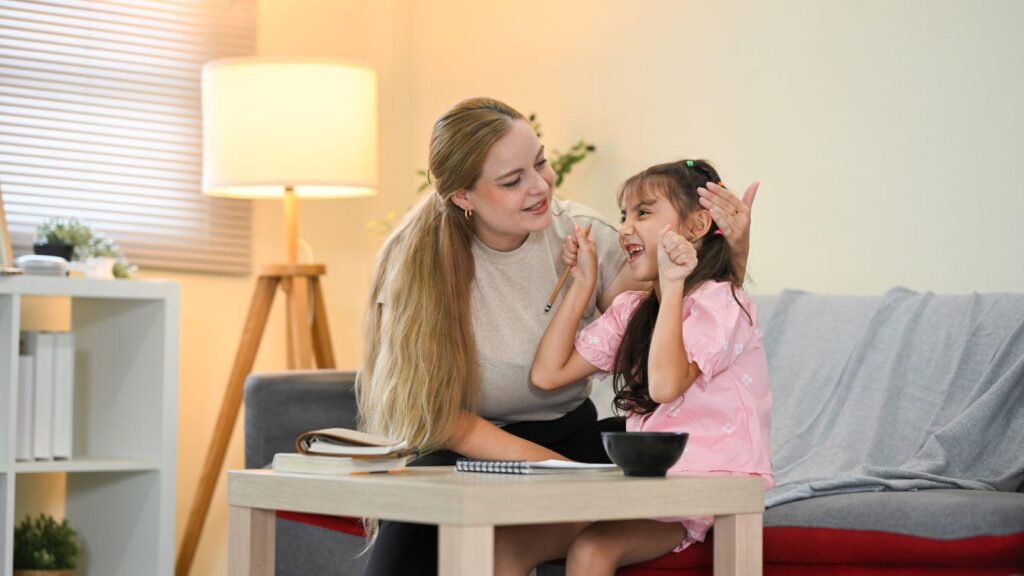
Parenting today comes with many opportunities and challenges. Modern parents have access to more information, technology, and resources than ever before, but they also face new pressures around education, digital habits, emotional wellbeing, and maintaining strong family connections. Every stage of a child’s development brings different needs, from building confidence in early childhood to supporting independence during the teenage years. Understanding these phases can help parents provide the right guidance while creating a safe and supportive environment for their children to grow.
Early Childhood: Building Security and Curiosity
The early years of a child’s life are focused on developing a sense of security, learning basic skills, and exploring the world around them. During this stage, children learn through play, observation, and interaction with the people closest to them.
Modern parents can support early development by creating routines that help children feel safe and comfortable. Simple habits such as regular mealtimes, bedtime routines, and family activities provide stability. At the same time, allowing children to explore and make small choices helps build confidence.
Play is one of the most important tools for learning during early childhood. Creative activities such as drawing, building, reading together, or cooking as a family encourage problem-solving skills and imagination. Parents do not need to constantly entertain their children; instead, they can create opportunities for children to discover things independently.
School Years: Encouraging Learning and Independence
When children enter school, their world expands significantly. They begin forming stronger friendships, developing interests, and discovering their own abilities. Parents often shift from being the main source of learning to becoming guides and supporters.
A key tip for modern parents is to focus on effort rather than only results. Praising persistence, creativity, and improvement teaches children that learning is a process. This mindset helps them handle challenges and develop resilience.
It is also important to create a healthy balance between school responsibilities and free time. Children need opportunities to relax, play, and pursue hobbies outside academics. Encouraging activities such as sports, music, art, or other interests can help them develop social skills and discover their passions.
Technology also becomes a bigger part of life during this stage. Instead of simply restricting screen time, parents can teach children how to use digital tools responsibly. Talking openly about online safety, privacy, and respectful communication helps children become more confident digital users.
Pre-Teen Years: Supporting Change and Confidence
The years before the teenage stage can bring many emotional, social, and physical changes. Children begin seeking more independence while still needing strong support from their parents. This period can sometimes feel confusing for both children and families.
Parents can help by keeping communication open and creating a space where children feel comfortable sharing their thoughts. Listening without immediately judging or correcting allows children to develop trust and emotional confidence.
This is also a time when children become more aware of their appearance, friendships, and how they fit in with others. Parents can support healthy self-esteem by focusing on qualities beyond appearance, such as kindness, creativity, responsibility, and personal growth. Conversations about body changes, confidence, and self-care should be approached naturally and positively. For parents supporting their daughters through these changes, resources like Bleuet can help provide comfortable and age-appropriate options that encourage confidence during important developmental moments.
Teenage Years: Guiding Independence
The teenage years are often associated with change, exploration, and a growing desire for independence. While teenagers may appear more distant at times, they still need guidance, support, and reassurance from their parents.
Modern parenting during this phase involves finding a balance between giving freedom and setting boundaries. Teenagers need opportunities to make decisions and learn from experiences, but they also benefit from clear expectations around responsibilities, relationships, and online behavior.
Parents can strengthen their relationship with teenagers by showing interest in their world. Asking about their hobbies, friends, goals, and opinions demonstrates respect and helps maintain connection. Even small everyday conversations can create a strong foundation for trust.
Supporting Emotional Wellbeing at Every Stage
Across all phases of development, emotional support is one of the most valuable gifts parents can provide. Children who feel understood and accepted are more likely to develop confidence and healthy relationships.
Modern parents should remember that children do not need perfection; they need consistency, care, and encouragement. Showing emotions, admitting mistakes, and having honest conversations teaches children important lessons about communication and resilience.
Creating quality family time is also essential in a busy world. Shared meals, outdoor activities, traditions, and simple conversations can strengthen family bonds and create lasting memories.
Every stage of childhood brings new experiences, challenges, and opportunities for growth. The role of modern parents is not only to protect children but also to help them develop confidence, independence, and emotional strength. By adapting their approach through different phases of development, parents can provide the support children need while allowing them to become their own unique individuals. The journey may change over time, but a foundation of love, communication, and understanding remains important at every age.